
Free Printable Behavior Charts. Com


Behavior Charts
*

Behavior Charts Ages 3+

*  Behavior Charts Ages 11+
*  NFL Behavior Charts
*

Single Behavior Charts 

 Ages 3-10

 (to target one behavior)

*

Chore Charts Ages 4-10

*  Chore Charts Ages 11+
*  Potty Training Charts
*  Pet Care Charts
*  Teeth Care Charts
*  Hygiene Charts
*

 Homework Charts

*

 Reading Charts

*

 Charts To Target Specific

 Behaviors

*  Daily Routine Charts
*  Holiday Charts
*
 Example Filled In Charts
*
 Feeling Charts
*

 Behavior Charts For

 Teachers

Reward Coupons, Stickers, and Other Printables
*

Reward Certificates and  

Coupons

*

Potty Training Reward

Coupons

* Printable Invitations & Cards
* Printable Stickers
* Printable Calendar Pages for Kids
* Printable Gift Labels
Articles of Interest
Behavior Management
 

Potty Training
 
School
 
Classroom Management

Classroom Management Strategies

First Year Survival

Stop Bullying In Your Classroom

Child Development

Birth to Age Five

Six to Eleven

Preteens & Teens

Importance Of Play In Child Development

Chores
 
Sleep

But Mom...I'm Not Tired!

Is Your Teen Sleeping Enough?

When Kids Are Afraid Of The Dark

How To Help Your Child Fall Asleep

ADHD/ADD

Tips For Parenting ADHD and  Spirited Kids

Unlocking The Secrets To Good Behavior

Stress Management

Stress Management Tips

Stress-Guarding Your Family

Managing Holiday Stress

Preventing Parental Burnout

Alternative Families

Successful Stepparenting

Raising Grandchildren

Blended Families: Working With Your Spouse

When Step Kids Disrespect You

General Parenting/Family 
 
Autism

When Your Child Is Diagnosed With Autism

Discipline And Autism

Potty Training Kids With Autism

Tips To Tackle Tricky Behaviors


Potty Training Readiness
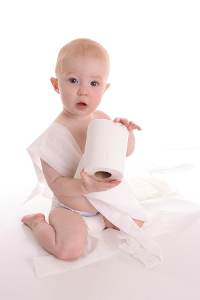


You have everything you need to potty train your child...the new potty seat, the potty training books and videos, the potty training chart. But your child just doesn't seem interested, or is she? How do you know if your child is ready to potty train? Follow our guidelines below and hopefully you'll have a better understanding of your child's level of potty training readiness!


Physiological Readiness (Is The Body Ready For The Potty?)

Your child should be able to:

  • hold urine for longer periods of time; his diaper should stay dry for at least 3-4 hours.
     

  • urinate larger amounts
     

  • have well formed, more predictable bowel movements and be able to go through the night without a bowel movement


Physical Readiness (Can Your Child Control Her Physical Movements Well Enough To Use A Potty?)

You child should be able to:

  • walk to and from the bathroom on her own
     

  • pull her pants up and down
     

  • sit in one place for an extended time (up to 5 minutes)
     

  • climb up onto a potty seat if necessary
     

Cognitive/Verbal Readiness (Does Your Child Let You Know That He Wants To Use The Potty?)

Your child should be able to:

  • express a desire to use the potty
     

  • become bothered by a dirty diaper
     

  • have some language abilities to communicate potty terms (for example, he should be able to use a word such as "go" when asking to use the potty or understand the difference between "pee" and "poo" and can use the appropriate words to distinguish between the two)


Are you ready to potty train your child?

When considering potty training, you should be aware of your own lifestyle and schedule as a parent. Do you have the time to work on training? Or, if you rely on a different caregiver during the day, will that person have the time and patience to potty train your child? Working parents may need to wait until a long weekend or vacation time to work intensively on potty training. If your caregiver is not following through with training, it's unfair to expect your child to pick up potty skills during the few hours at night before bed. Are you and your spouse in agreement about starting training?

And, before you begin the potty training adventure, have an idea how you will train your child. Do some research. There are many techniques and lots of advice on the subject. You need to approach potty training using the methods that are most comfortable for you and your child. Remember, don't compare your child to another. Each child is different. Each child will be ready in his own time.

Finally, don't push it if your child is not ready to potty train. If your child has absolutely no interest in training, let it go for a while and try at a later time. Or, if your child is going through an oppositional phase, hold off on the training until her temperament evens out. Make sure you don't turn potty training into a power struggle.


by Joanne McNulty, Free Printable Behavior Charts


 Search the web for more potty training information!


Stop the Bad Behavior
Simple parenting      techniques that tame       difficult kids. Free offer.
TheTotalTransformation.com

Home   I    About Us   I   Contact Us  I   Link Exchange   l  Privacy Policy

Copyright 2007-2010 Free Printable Behavior Charts. Com. All Rights Reserved.